Visceral fat isn’t just fat; the body stores it differently, which silently affects your health. Visceral fat is wrapped around your internal organs, and it poses a real danger.
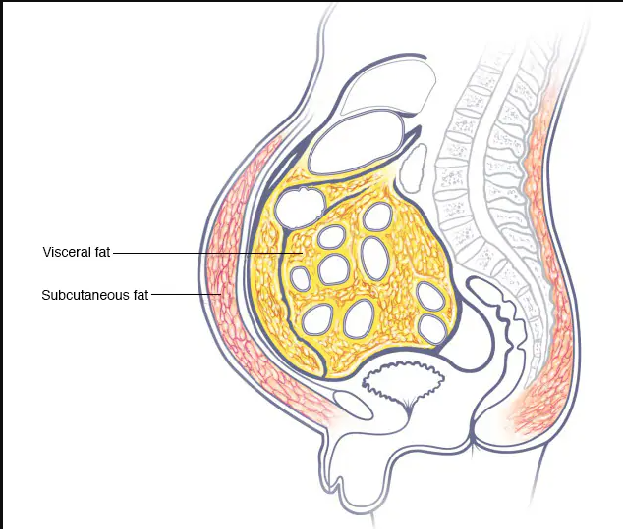
What Is Visceral Fat?
The fat of the intestine is a type of body fat that is stored deeply inside your stomach, surrounding vital organs such as the liver, pancreas, and intestines. This is often referred to as “active fat” because it impacts how your hormones function. A small amount of visceral fat is necessary for cushioning organs, but excessive amounts can pose a serious health risk.
Why Should You Be Concerned?
Large amounts of visceral fat have been linked to many chronic health conditions, such as heart disease, type 2 diabetes, and high blood pressure.
Even if you appear slim on the outside, your body can carry dangerous levels of visceral fat, known as visceral fat.
How to Know If You Have Visceral Fat
You can’t pinch or easily see visceral fat. However, some signs, such as a large waist (more than 40 inches for men, more than 35 inches for women), high blood pressure or cholesterol, poor eating habits, or a sedentary lifestyle, can give you early warning signs of visceral fat.
Can You Measure Visceral Fat at Home?
While CT scans or MRIs provide the most accurate measurements, they are not practical for everyday life. Instead, waist-to-hip ratio, body mass index (BMI), bioelectrical impedance, and smart scales (not always 100% accurate, but useful for tracking trends) can be used.
What Causes Visceral Fat to Accumulate?
A number of lifestyle factors, such as high sugar and processed food intake, lack of physical activity, chronic stress and poor sleep, alcohol consumption, and even genetics, contribute significantly to the accumulation of visceral fat in the body. Unfortunately, the modern lifestyle is a perfect recipe for further accumulation of this fat.
How to control visceral fat?
The Role of Diet in Controlling Visceral Fat:
One of the most effective ways to reduce visceral fat is to change your diet. A few simple strategies, such as reducing refined carbohydrates and sugar in your daily diet, increasing your fiber intake, including more lean protein and healthy fats, and staying hydrated by drinking water instead of sugary drinks, can play an effective role in reducing visceral fat.
We should remember that no one is perfect. Eating well means doing it for longer than you used to.
Regular exercise is the best friend against Visceral Fat
Regular physical activity, especially a mix of cardio and strength training, is important for reducing belly fat. You choose your goal, for example, to do 30 minutes of moderate aerobic exercise (such as walking or cycling) most days, two days a week, and lifting something heavy, which is very important for your bones and muscles.
If you are short on time, HIIT can burn fat in 20 minutes, which is what it takes to jog for an hour.
Sleep and stress greatly affect visceral fat
Both poor sleep and high stress levels increase the levels of the hormone cortisol in the body, which encourages fat storage, especially in the abdominal area. Your pillow is your best tool to keep your visceral fat under control. Use it for 7-9 hours a night. Also, practicing stress reduction techniques like meditation, yoga, or jogging can be very effective.
Supplements and Natural Support
While no supplement can magically melt away belly fat, some natural options such as green tea extract, omega-3 fatty acids, probiotics, and apple cider vinegar can support your efforts. It is very important to remember that it is always mandatory to consult a doctor or healthcare professional before starting any supplement.
Conclusion: Take Control of Your Visceral Fat
Visual fat is more than just an invisible nuisance – it’s a red flag for your long-term health.
But the good news? Can you fight it? With smart eating, regular exercise, improved sleep, and a balanced mindset, you can reduce visceral fat and restore your vitality.
Start today – not for a smaller waistline, but for a healthier, longer life.
Heya! I know this is kind of off-topic but I had to ask.
Does running a well-established blog such as yours
require a lot of work? I’m brand new to blogging but I
do write in my journal every day. I’d like to start a blog so I will be able to share
my own experience and feelings online. Please let me
know if you have any kind of recommendations or tips for new aspiring bloggers.
Appreciate it!